The Beauty of Sneers Diversity
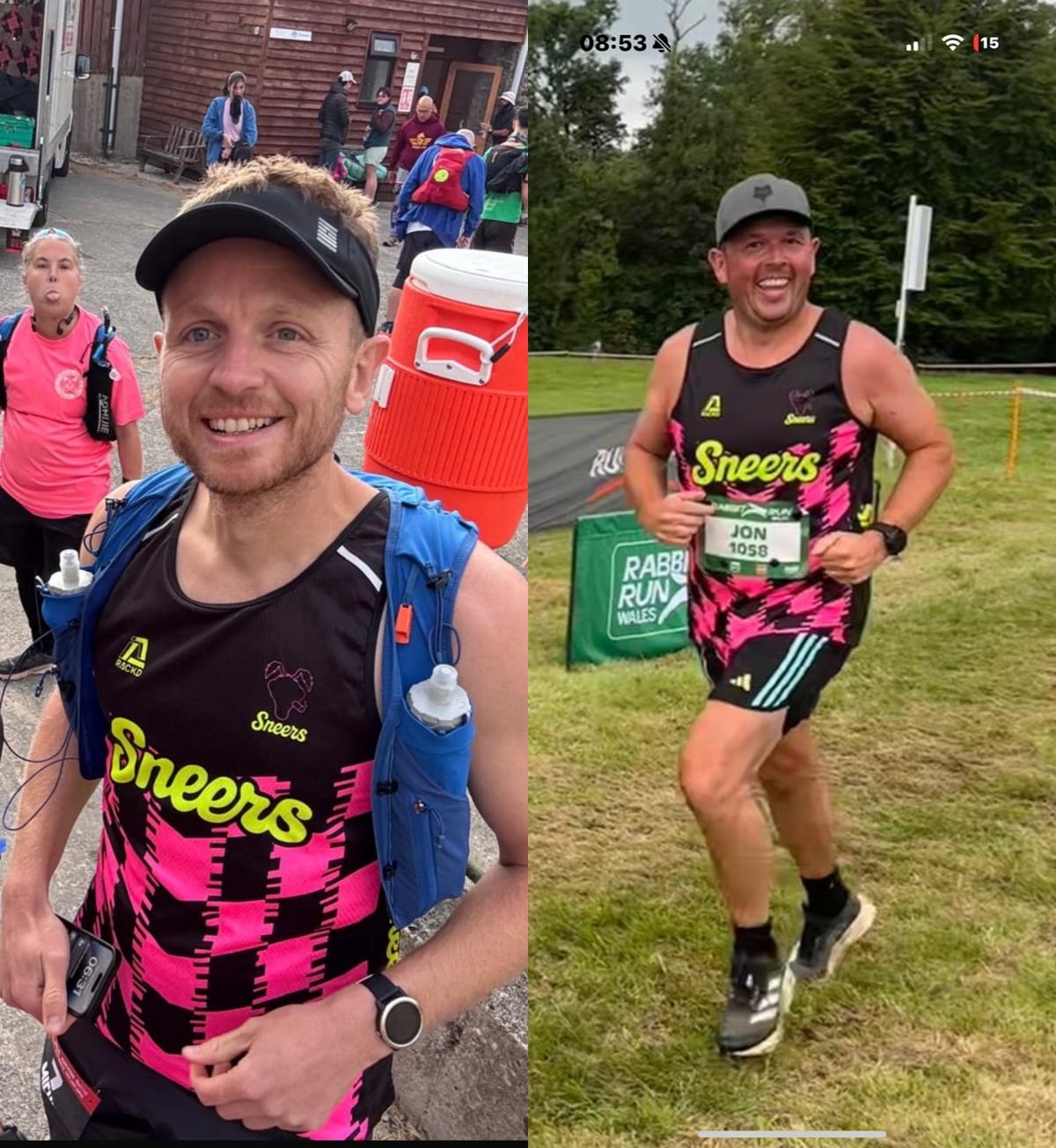
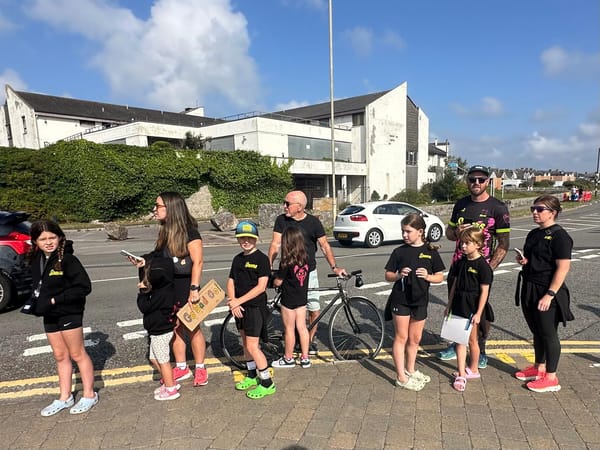
One of the best things about the Sneers isn’t just the questionable sock choices on race day or the fact that one or two of us think a pre-race Guinness counts as carb-loading—it’s the sheer diversity in our crew.
At one end of the spectrum, we’ve got NJ. A newbie runner who, at the start of the year, probably thought “Rabbit Run” was a children’s book… not that he’s ever read a book from start to finish. Certainly not a 12k trail race through mud, hills, and woodland tracks. Fast-forward to now and he’s smashed it—backed by the cheers of his wife and daughter, who’ve also recently taken up running and are improving with every outing. For NJ, this was a million miles from what he thought possible… and he did it grinning from start to finish.
Then there’s Melman. Our fastest, most seasoned runner—the man with PBs that most of us mere Sneer mortals can only dream of. Recently, he took on the EDDUM—a brutal 50-mile ultramarathon across the wilds of the Brecon Beacons, with over 7,000ft of elevation, unpredictable weather, and terrain that can chew up the best of runners. Not only did he finish, he placed 4th in his first attempt. This, despite being too tight to invest in a Garmin navigation watch, which meant he got lost a few times along the way. (Who knows—maybe he’d have been on the podium if he’d treated himself?)
On paper, their running abilities are worlds apart. But here’s where it gets interesting—neither NJ nor Melman currently swim or bike. That’s about to change. Both have committed to learning to swim and spending more time on the bike, could their eyes be set on a huge shared goal: completing the Long Course Weekend in Tenby 2026?
The LCW is no joke—three days, three disciplines, and one massive test of grit. And here’s the twist: across swim, bike, and run, in 12 months’ time, they might just be on a level playing field. Which means we could have a little Sneer rivalry brewing… watch this space.
For now, NJ and Melman train together, share experiences, and keep each other motivated. They’ve been known to hit the trails side-by-side… and even brave the freezing dawn sea dips that most sane people would run away from. That’s the beauty of our group—whether you’re chasing your first finish line or chasing down the leaders, you’re never running alone. Because suffering is fun when you’re with mates.
Ultra vs. 12k – Two Very Different Beasts
Training for a 12k like the Rabbit Run and training for a 50-mile ultra like the EDDUM are worlds apart, even if both technically fall under “running.”
For a 12k:
The focus is on speed endurance — being able to hold a faster pace for just over an hour.
Training is often 3–4 runs per week, with intervals, tempo runs, and short hill work to build strength.
Long runs might be around 10–14k — just enough to feel comfortable on race day.
For a 50-mile ultra:
The game is all about time on feet and building the endurance to keep moving for 8–12+ hours.
Training often involves 5–6 days a week, with back-to-back long runs on weekends.
Strength work, hiking hills, and learning to eat while moving become essential.
Recovery and injury prevention are just as important as the miles.
Training Tips for Each
For 12k Runners like NJ:
Include one interval session each week (e.g., 8 × 400m fast with jog recoveries).
Practice running at race pace so it feels familiar on the day.
Use trail runs to get used to uneven terrain and build ankle strength.
Don’t skip strength work — even 15 minutes of squats, lunges, and planks twice a week helps.
For Ultra Runners like Melman:
Focus on weekly mileage and gradually extend your long run.
Do back-to-back long days (e.g., 20 miles Saturday, 15 miles Sunday) to mimic race fatigue.
Practice fuelling — find foods and gels your stomach tolerates.
Learn to power-hike — it saves energy for later.
Nutrition – The Fourth Discipline
No matter the distance, nutrition can make or break race day.
For shorter races like a 12k, the focus is on pre-race fuelling (carbs the night before and morning of) and staying hydrated.
For ultras, a solid carb loading plan is key — you need to eat and drink steadily to avoid the dreaded “bonk.” This means testing gels, chews, and real food in training so your gut is as ready as your legs.
In both cases: nothing new on race day. Your stomach doesn’t like surprises.
Race Prep – Whatever the Distance
Whether it’s a lung-busting 12k or a monster 50-miler:
Taper properly — reduce mileage 1–2 weeks before so you’re fresh.
Dial in your gear — no new socks, shoes, or kit on race day.
Arrive early — nothing spikes heart rate faster than sprinting to the start line.
Smile for the cameras — if it’s going to hurt, at least look good doing it.